What Is an NFT Trait and Why Does It Matter?
NFTs (Non-Fungible Tokens) have transformed the way people collect and own digital assets. From artwork and gaming items to profile picture (PFP) collections, every NFT is designed with unique characteristics. These characteristics are known as NFT traits, and they play a major role in determining an NFT’s appearance, rarity, and overall value.
What Is an NFT Trait?
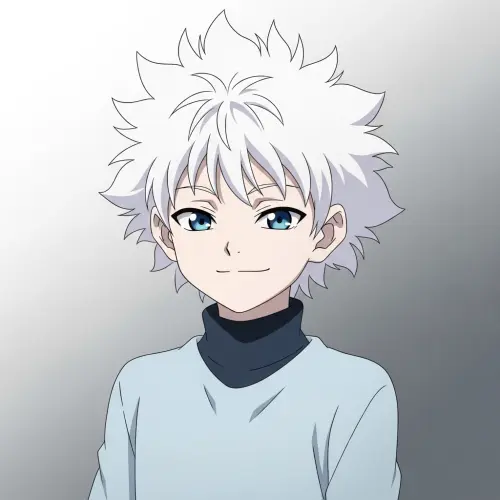
An NFT trait is a specific feature or attribute that makes an NFT unique. In a PFP collection, traits can include hairstyle, eye color, clothing, accessories, facial expressions, backgrounds, or special effects. Each NFT combines different traits to create a one-of-a-kind digital collectible.
For example, two avatars may have the same face but different hats, glasses, or backgrounds. Those differences are their individual traits.
Common Types of NFT Traits
Many NFT collections use a variety of traits, including:
- Background colors
- Hair styles
- Eye shapes and colors
- Clothing and outfits
- Hats and helmets
- Glasses and masks
- Jewelry and accessories
- Special animations or effects
These combinations help ensure that every NFT in a collection has its own identity.
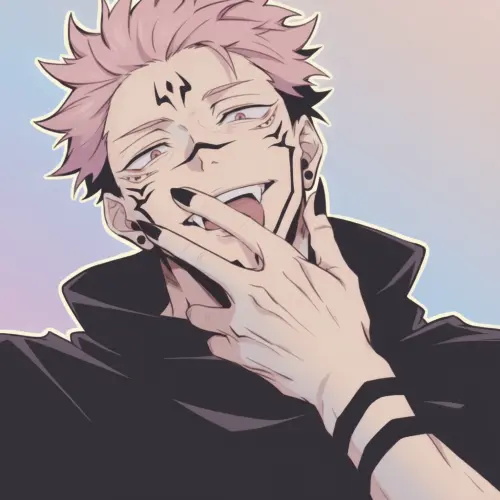
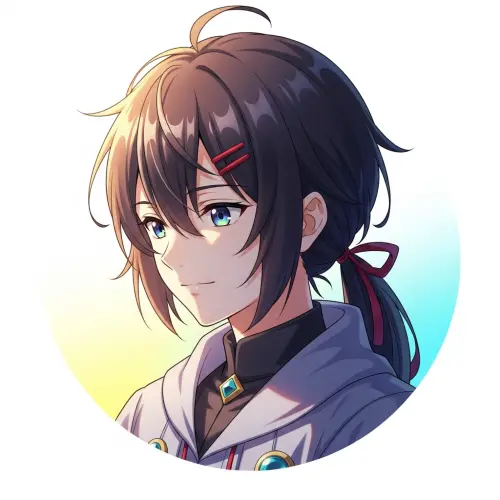
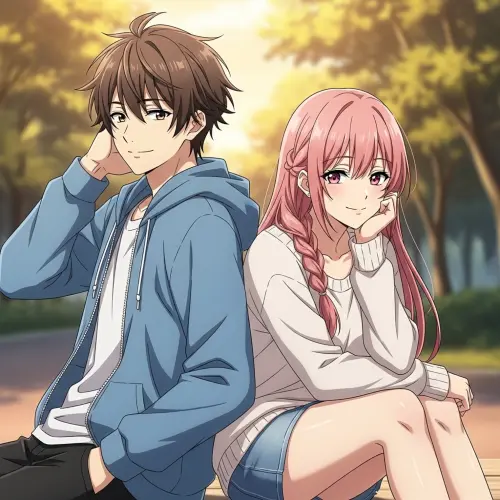
Trending PFPs showcase the latest profile picture styles that are popular across social media and gaming communities. From viral anime characters and aesthetic artwork to creative digital illustrations and modern avatars, these profile pictures help users stay up to date with current online trends.
Choosing a trending profile picture can give your account a fresh and stylish appearance. With new designs becoming popular every day, exploring trending PFPs is a great way to find inspiration for your next online avatar.
Why Do NFT Traits Matter?
1. They Determine Rarity
Some traits appear in only a small percentage of a collection. NFTs with rare traits are often considered more desirable because fewer people own them.
2. They Influence Value
Collectors often look for NFTs with uncommon or visually appealing trait combinations. While rarity doesn’t guarantee a higher price, unique traits can increase demand in the marketplace.
3. They Create Identity
Many NFT owners use their collectibles as profile pictures across social platforms. Distinctive traits allow users to express their personality and stand out in online communities.
4. They Build Community Interest
Projects frequently release trait rankings, rarity scores, and collection statistics. This encourages collectors to compare NFTs and discuss the rarest combinations within the community.
How Are NFT Traits Created?
Artists usually design dozens or even hundreds of individual trait layers. A computer program then combines these layers according to predefined probabilities. Common traits appear more frequently, while rare traits have a much lower chance of being generated.
This process allows thousands of unique NFTs to be created from a relatively small set of artwork components.
Understanding Trait Rarity
Rarity is based on how often a specific trait appears in a collection.
For example:
- Gold Crown – 1%
- Laser Eyes – 2%
- Purple Hoodie – 5%
- Blue Background – 20%
An NFT containing several rare traits may receive a higher rarity ranking than one with mostly common features.
Should You Buy NFTs Based Only on Traits?
Traits are important, but they should not be the only factor when evaluating an NFT. Consider additional aspects such as:
- The project’s reputation
- Community engagement
- Utility and future roadmap
- Creator credibility
- Trading activity and market demand
A successful NFT project combines strong artwork, active community support, and long-term development.
Final Thoughts
NFT traits are the building blocks that make every digital collectible unique. They influence rarity, appearance, and collector interest while helping define an NFT’s identity within a collection. Understanding how traits work can help beginners better evaluate NFT projects and make more informed collecting decisions as they explore the growing world of digital assets.